Garage doors are used frequently, so regular wear and occasional problems are common. Garage door repair may be needed when a door becomes difficult to open, makes unusual sounds, moves unevenly, or fails to respond properly to its opener. Understanding common problems can help homeowners recognize warning signs before a minor issue becomes a larger inconvenience.
Some garage door problems involve mechanical components, while others may be related to the opener, tracks, springs, cables, or weather seals. Knowing what these components do makes it easier to understand why a garage door may stop working correctly. This guide explains several common garage door problems, what may cause them, and when professional attention may be appropriate.
Broken or Worn Garage Door Springs
Garage door springs help support the weight of the door and allow it to move more easily when opening and closing. Because springs are placed under significant tension and are used repeatedly, they can eventually wear out or break.
A broken spring may cause the door to become unusually heavy or difficult to lift. In some cases, the door may not open properly at all. Homeowners may also notice a visible gap in a spring or hear a loud sound when a spring fails.
Spring problems should not be ignored because these components can contain substantial stored energy. Attempting to adjust, remove, or replace a garage door spring without the appropriate knowledge and equipment can create a safety hazard. A qualified technician can inspect the spring system and determine whether repair or replacement is appropriate.
Damaged or Misaligned Garage Door Tracks
Garage door tracks guide the rollers as the door moves between the open and closed positions. If a track becomes bent, loose, dirty, or misaligned, the door may not travel smoothly.
A door with track problems may move slowly, shake while operating, or make grinding and rubbing sounds. In some situations, the door may become stuck before reaching the fully open or closed position.
Tracks need to remain properly aligned so the rollers can move through them correctly. Loose hardware and minor debris may affect operation, while significant bends or damage may require professional attention. A technician can inspect the tracks, rollers, mounting hardware, and other related components to identify the source of the problem.
Worn or Damaged Garage Door Rollers
Rollers allow the garage door to move along its tracks. Depending on the design and materials used, rollers can become worn over time through repeated movement and exposure to dirt or other environmental conditions.
Worn rollers may produce squeaking, rattling, or grinding noises when the door operates. The door may also move less smoothly or appear to shake as it travels along the tracks.
Regular inspection can help identify rollers that show visible wear or damage. If a roller is no longer moving correctly, it may place additional strain on other parts of the garage door system. Replacing damaged rollers can help restore smoother movement when they are the source of the problem.
Problems With the Garage Door Opener
The garage door opener controls the motorized opening and closing of an automatic garage door. Opener problems can prevent the door from responding properly even when the mechanical components of the door are functioning normally.
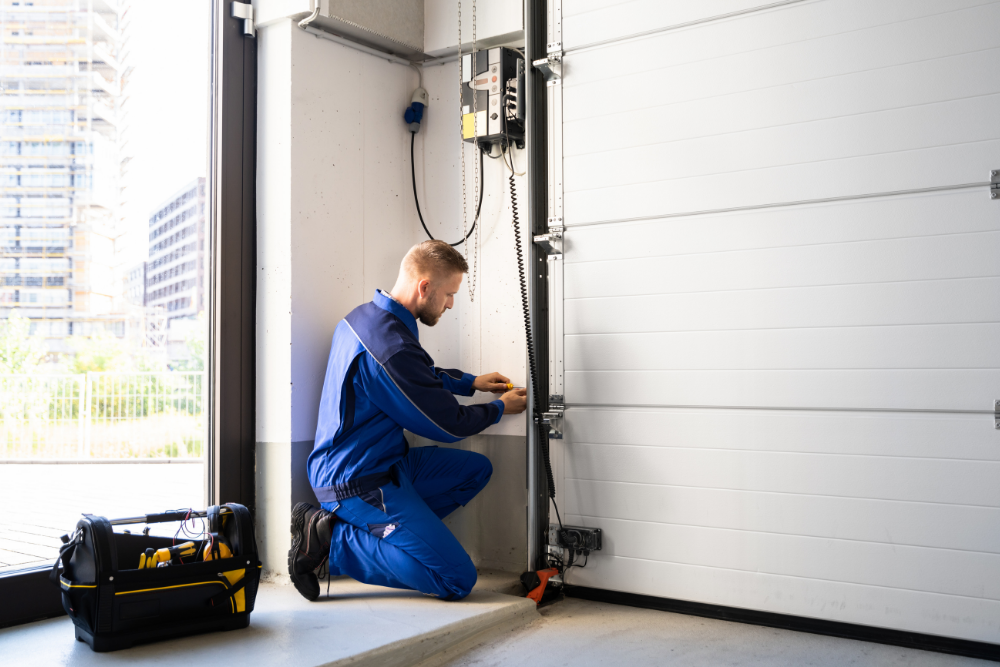
A malfunctioning opener may fail to start, stop unexpectedly, operate intermittently, or make unusual noises. Problems can involve the motor, drive mechanism, wiring, remote control, wall control, or other components.
Before assuming the opener itself has failed, basic factors such as the power supply and remote-control batteries can be checked. If the opener still does not operate correctly, professional inspection may help determine whether the problem is electrical, mechanical, or related to another part of the system.
Broken or Loose Garage Door Cables
Garage door cables work with the spring system to help support and control the movement of the door. These cables can become worn, frayed, loose, or damaged over time.
A cable problem may cause one side of the garage door to sit differently from the other. The door may also become uneven, difficult to operate, or unable to open and close correctly.
Damaged cables should receive attention because they are connected to other components that help carry the door’s weight. Garage door repair involving cables and springs can require specialized tools and procedures. A trained professional can inspect the cable system and determine whether replacement or another repair is necessary.
Garage Door Won’t Open or Close Properly
A garage door that refuses to open or close is one of the most noticeable problems homeowners encounter. Several different issues can cause this behavior, including opener problems, damaged springs, track obstructions, worn rollers, cable issues, or problems with the door’s balance.
The first step is identifying whether the problem occurs with the entire system or only with the automatic opener. If the opener operates but the door does not move correctly, the issue may involve the mechanical components.
Safety sensors can also affect automatic closing. If the sensors are blocked, dirty, or incorrectly aligned, the opener may prevent the door from closing. Identifying the specific cause is important because different problems require different solutions rather than simply replacing the opener.
Noisy Garage Door Operation
Some operating sounds are normal, but sudden or unusually loud noises can indicate that a garage door component needs attention. Squealing, grinding, rattling, or popping sounds may come from rollers, hinges, tracks, springs, or other moving parts.

A noisy door does not always indicate a serious failure. However, a noticeable change in sound can be useful as an early warning sign, particularly when it occurs together with slow movement, vibration, or uneven operation.
Keeping moving components clean and properly maintained can help reduce unnecessary friction. Certain components may also require appropriate lubrication, depending on the manufacturer’s recommendations. If unusual noise continues or becomes worse, an inspection can help identify the source before additional components are affected.
Damaged Garage Door Panels
Garage door panels can become damaged by accidental impacts, weather exposure, age, or other causes. A damaged panel may have dents, cracks, bends, or other visible defects that affect the appearance or operation of the door.
Minor cosmetic damage may not immediately prevent the door from functioning. However, significant panel damage can affect the door’s balance, alignment, or ability to move properly along its tracks.
The appropriate solution depends on the extent and location of the damage. In some cases, an individual panel may be replaceable, while more extensive damage may require consideration of the entire door. A professional inspection can help determine whether repair or replacement is more practical for the specific situation.
Worn Weather Seals Around the Garage Door
Weather seals help close gaps around a garage door and can reduce the entry of outdoor air, dust, moisture, and debris. Over time, these seals can become cracked, brittle, flattened, or detached.
A damaged bottom seal may leave a visible gap underneath the closed door. Side and top seals can also deteriorate and lose their ability to make proper contact with the door.
Replacing worn seals is generally different from repairing major mechanical components. However, it can still be an important part of maintaining the garage door system. Properly fitted seals can help protect the garage interior from outdoor conditions and reduce unwanted gaps around the door.
When Should You Consider Garage Door Repair?
Knowing when to seek professional help can prevent homeowners from overlooking problems that may become more difficult to address. Signs such as unusual noises, uneven movement, damaged cables, broken springs, repeated opener failures, or a door that will not open or close properly deserve attention.
Homeowners should avoid attempting repairs involving high-tension springs, cables, or other components that require specialized procedures. These parts can present safety risks when handled incorrectly.
How Regular Maintenance Can Help
Regular maintenance can help identify worn or damaged components before they cause a larger operational problem. Inspection of the rollers, tracks, hinges, cables, springs, opener, and weather seals can provide useful information about the condition of the system.
Homeowners can also keep the area around the garage door clear of objects and observe how the door operates during normal use. Unusual sounds, uneven movement, or changes in speed may indicate that something needs attention.
Conclusion
Common garage door problems can involve springs, tracks, rollers, openers, cables, panels, weather seals, and other components. Changes such as unusual noises, uneven movement, difficulty opening or closing, or visible damage can indicate that a component needs inspection. Addressing these signs early can help homeowners understand the condition of their garage door and determine the appropriate next step.
For homeowners in Crofton, ABC Garage Door & Repairs can be contacted when professional assistance is needed for garage door concerns. Whether you are dealing with an operating problem or want to have a garage door component inspected, discussing the symptoms with a qualified service provider can help identify the underlying issue. For information or service inquiries, contact ABC Garage Door & Repairs at (866) 592-3668.